METRO France
Consultant at METRO France (2022-2024): led the front-end of a bonus product used by 4,000+ employees and 1,000 managers across 93 warehouses, and shipped in-store ordering kiosk and order-tracking features.
- Team ~6
- ~3000 employees
- Legacy codebase
- Hybrid
- Frontend
- TypeScriptReact
- Backend
- Node.jsGraphQLTypeORM
- DevOps
- GCPKubernetesGitHub Actions
- Methodology
- Agile Scrum
A bonus product and in-store ordering for 93 warehouses
METRO France runs 93 cash-and-carry warehouses for professional customers. From March 2022 to March 2024 I worked there as a consultant from Wemanity Group, in a product team of about six people.
Bonus-by-objectives product
Warehouse bonuses were managed in spreadsheets: store managers entered data by hand, HR consolidated it later, and errors crept in along the way. The team replaced that with a product that calculates and distributes bonuses, used by 4,000+ employees and 1,000 managers across the network.
I led its front-end repository (React and TypeScript), structured with hexagonal architecture and Atomic Design so that business rules stayed out of the UI components.
In-store ordering kiosks and order tracking
I shipped point-of-sale features and worked on the in-store ordering kiosks, where professional customers order heavy or bulky products from the warehouse floor and collect them within 30 minutes. I also worked on the order status screen, which shows the preparation status of active orders in real time. Both connect to METRO's click-and-collect system: online orders, in-store terminals and order tracking.
One stack across products
When I arrived, each product had its own technologies, conventions and deployment setup. We aligned on one stack (TypeScript, React, Node.js, TypeORM and GraphQL, on GCP and Kubernetes, with GitHub Actions for CI/CD), then added shared components, shared configs and a CI/CD template. The team measured product creation cycles 80% shorter afterwards. I explain how, and what it cost, in a dedicated article.
References
Related experience
Related articles
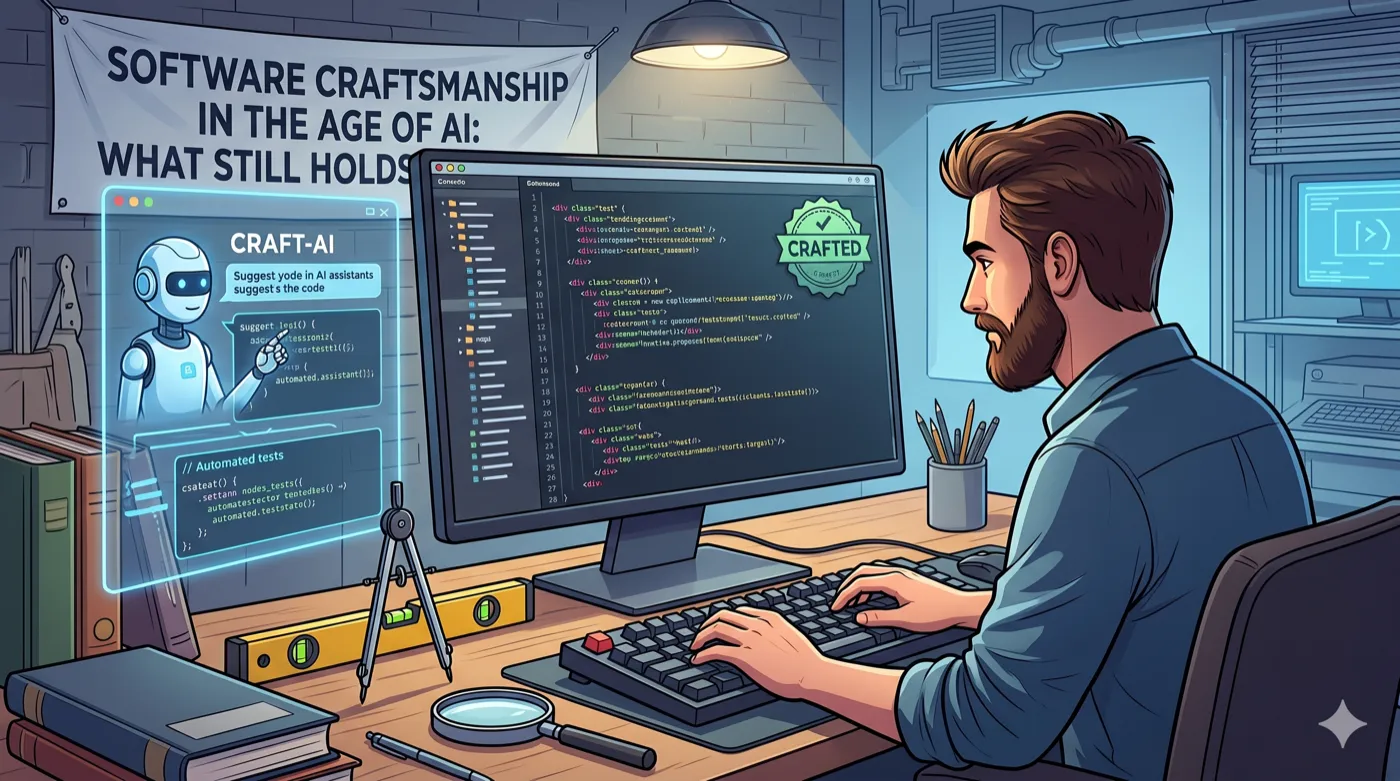
AI Broke Our Production Code. Here's the Craftsmanship Rule That Would Have Prevented It
An AI agent silently broke a 10-year-old business rule on a legacy Java codebase. No test caught it. It surfaced in production. Here's what that taught me about Software Craftsmanship, and why these principles matter more than ever when AI is writing your code.
How Standardizing a Tech Stack Cut Product Creation Time by 80%
At METRO France, 93 warehouses, multiple product teams, and a fragmented codebase were slowing everything down. Here's how aligning on a shared tech stack transformed delivery velocity, and what every engineering leader should know before attempting it.